In today's competitive e-commerce landscape, customers can't touch, hold, or experience a product before making a purchase. Their buying decision depends almost entirely on what they see on the screen. This is why high-quality product visuals have become one of the most important factors in driving online sales.
3D product rendering enables businesses to create photorealistic images and animations without relying on traditional product photography. Whether you're launching a new product, updating an online catalog, or creating marketing content, 3D rendering offers a faster, more flexible, and highly scalable solution.
What Is 3D Product Rendering?
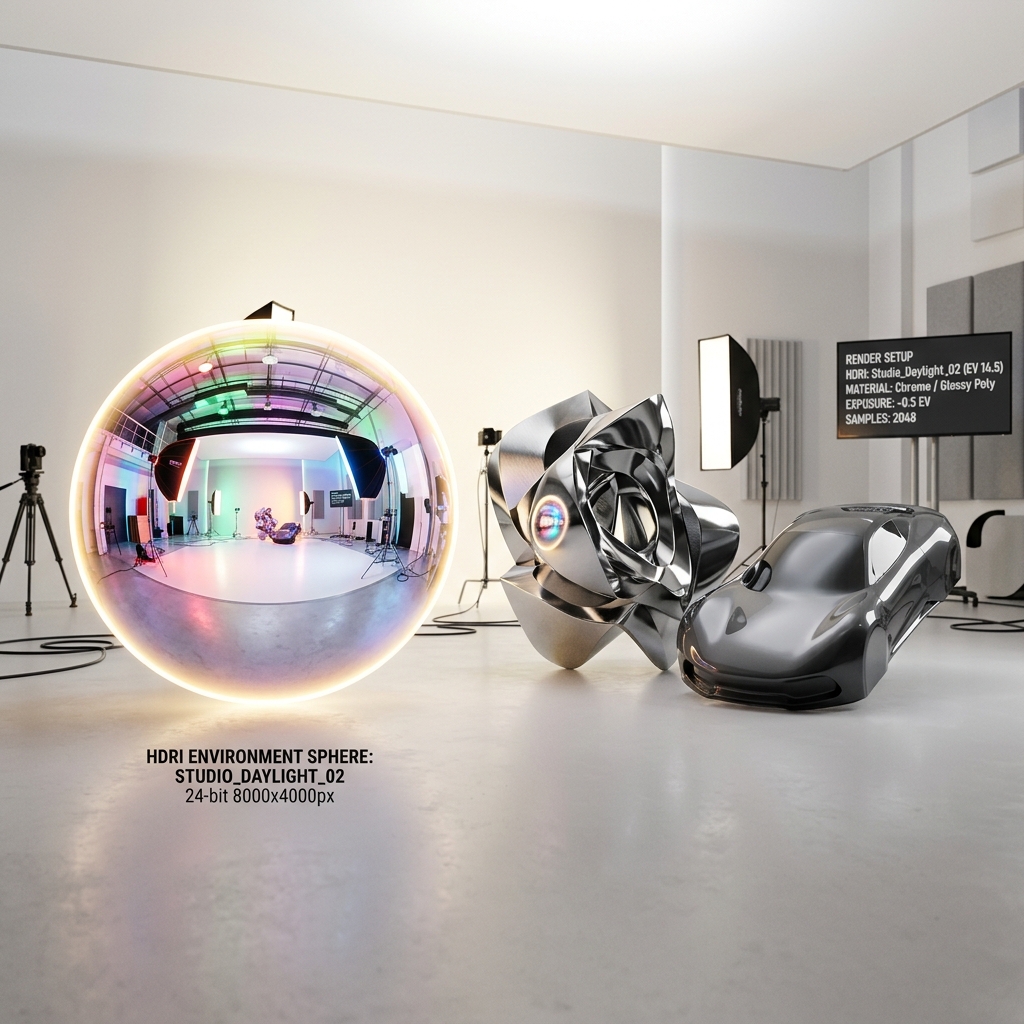
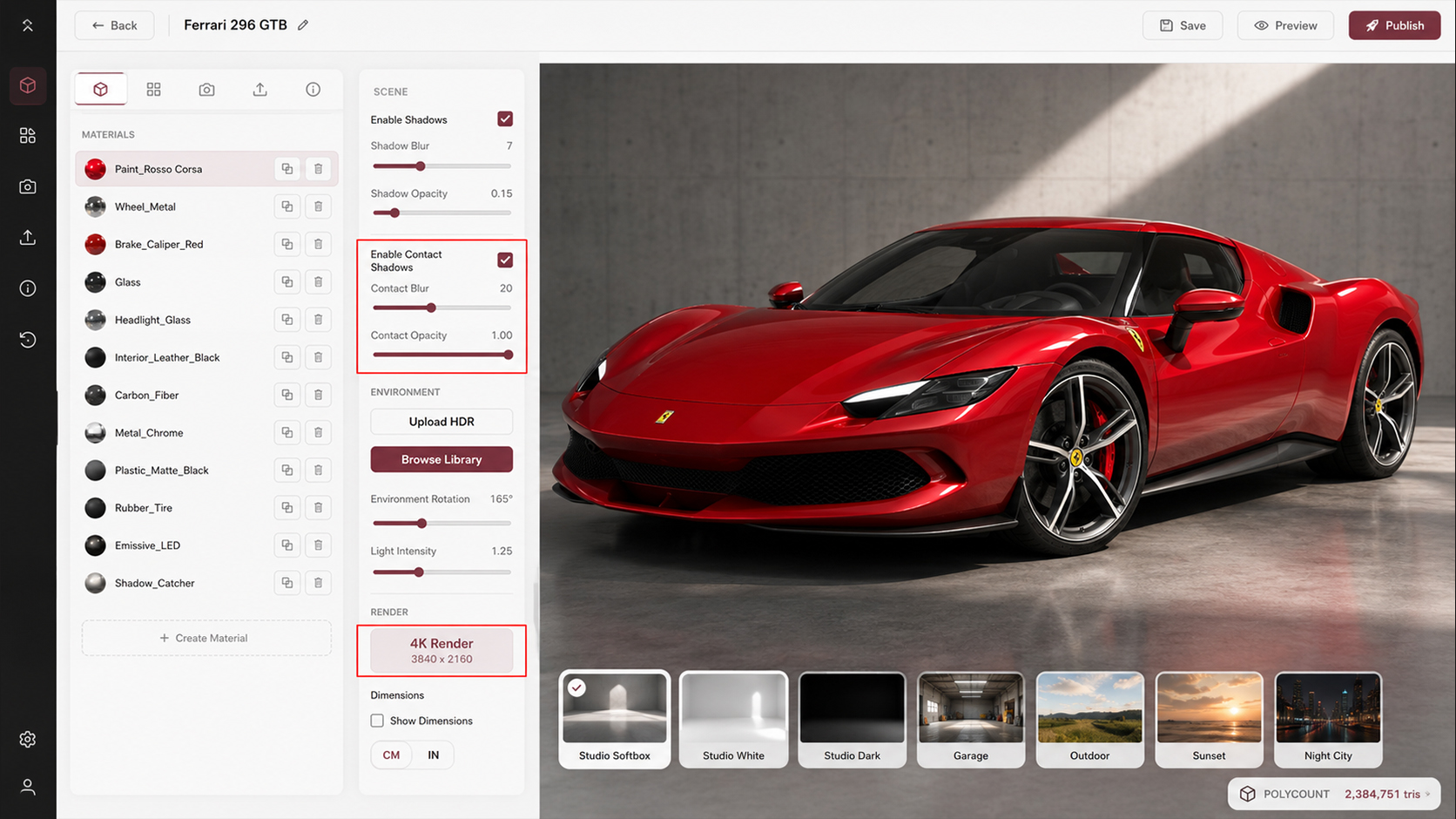
3D product rendering is the process of creating realistic digital images of a product using specialized 3D software. Designers build an accurate 3D model, apply realistic materials and textures, set up professional lighting, and generate high-resolution images or animations.
The final result can closely resemble a professional product photograph—often making it difficult to tell the difference.
Why It Matters for E-commerce
Online shoppers make decisions within seconds. High-quality visuals help communicate professionalism, product quality, and trust.
With 3D rendering, businesses can:
- Showcase products from every angle
- Display different colors, materials, and variations without additional photoshoots
- Create lifestyle scenes without expensive studio setups
- Produce marketing assets before manufacturing is complete
- Maintain a consistent visual style across an entire product catalog
This flexibility helps brands launch products faster while reducing production costs.
Benefits of 3D Rendering
1. Higher Visual Quality
Photorealistic renders create a premium first impression. Clean lighting, realistic materials, and detailed textures make products appear more attractive and professional.
2. Faster Product Launches
Businesses no longer need to wait for physical prototypes or schedule costly photography sessions. Marketing materials can be prepared early, helping products reach the market sooner.
3. Unlimited Product Variations
Instead of photographing every color or finish, one 3D model can generate countless variations quickly and efficiently.
Examples include:
- Different colors
- Multiple materials
- Custom branding
- Various packaging options
- Seasonal editions
4. Lower Long-Term Costs
While traditional photography requires new shoots whenever a product changes, 3D assets can simply be updated digitally. This reduces future production costs and makes content creation more efficient.
5. Better Marketing Content
The same 3D assets can be reused across multiple platforms, including:
- E-commerce websites
- Amazon product listings
- Shopify stores
- Social media advertisements
- Product videos
- Print catalogs
- Digital brochures
"One investment can support marketing across many channels."
3D Rendering vs Traditional Product Photography
Traditional product photography is still valuable for many businesses, but it has limitations.
Photography often requires:
- Physical products
- Studio equipment
- Lighting setups
- Shipping samples
- Reshoots for every variation
Traditional Photography
- Requires physical prototypes
- Expensive studio & lighting setups
- High shipping & handling costs
- Reshoots required for small updates
- Limited camera angles per session
3D Product Rendering
- Render before physical production
- Unlimited studio environments
- Zero shipping or studio rental costs
- Instant digital color & material swaps
- 360° views & WebAR interactive models
With 3D rendering, updates can often be made digitally without repeating the entire production process. This makes it especially useful for products with many configurations or frequent design changes.
Industries That Benefit Most
Many industries are adopting 3D rendering to improve product presentation, including:
- Furniture
- Consumer electronics
- Cosmetics
- Jewelry
- Home décor
- Automotive accessories
- Kitchen appliances
- Fashion accessories
- Industrial products
- Medical equipment
Any business selling products online can benefit from more engaging and consistent visuals.
The Future of Online Shopping
Modern customers expect interactive shopping experiences. Beyond still images, businesses are increasingly using:
- 360° product views
- Product animations
- Interactive product configurators
- WebAR experiences
- Virtual product demonstrations
These technologies help customers better understand products before purchasing, increasing confidence and reducing uncertainty.
Final Thoughts
As e-commerce continues to grow, visual content is becoming one of the strongest competitive advantages for online brands. High-quality 3D rendering allows businesses to present products professionally, showcase every detail, and create marketing content that is both flexible and scalable.
Whether you're launching a single product or managing an entire catalog, investing in professional 3D visualization can help strengthen your brand and improve the customer experience.